

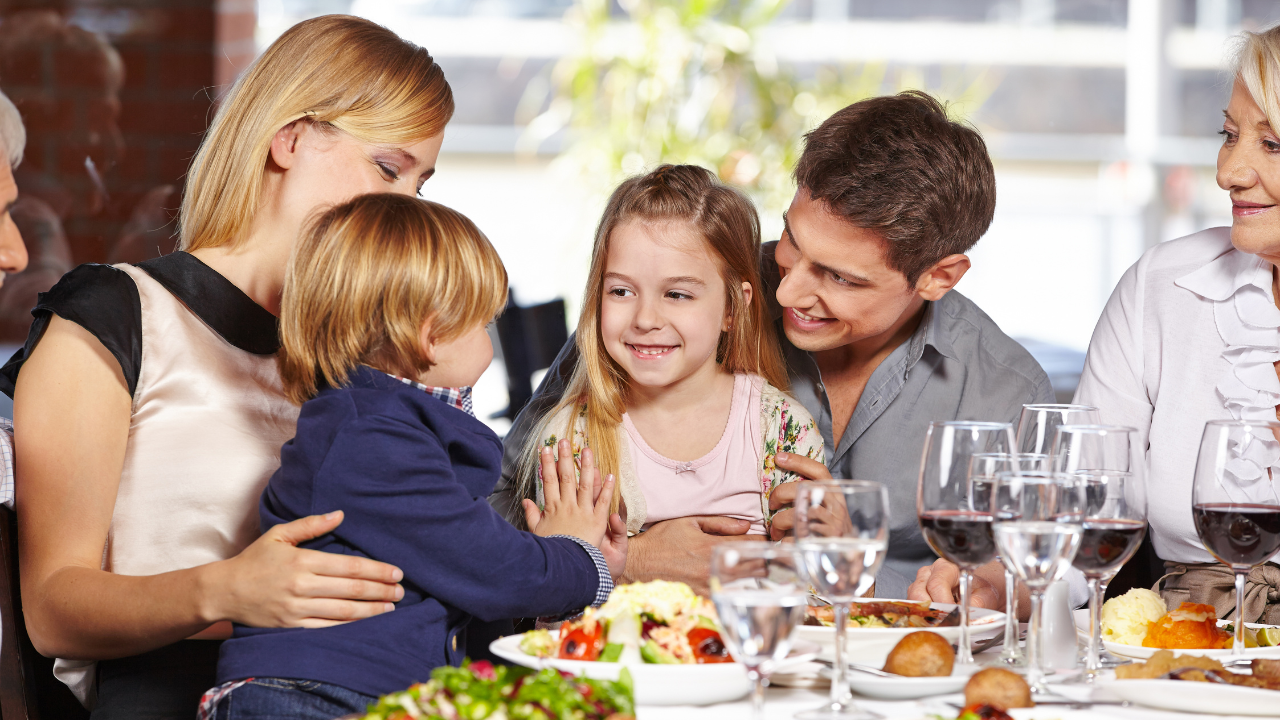
Your first blended family Thanksgiving may come with more questions than recipes. Will your child feel comfortable around your partner? What happens when one child misses the way things used to be?
You don’t need everyone to feel like one big family by dessert. Start with a smaller goal: help each child feel welcome, heard, and free to have mixed feelings.
For single, separated, and young dads, a thoughtful plan can make the day easier. Here’s how to build belonging without rushing relationships or turning Thanksgiving into a test of family loyalty.
Start With Belonging, Not a Picture-Perfect Family
It’s natural to hope this holiday will look like the families in commercials, with everyone laughing around one table. But blended family holidays rarely start that way, and they don’t have to.
Belonging is a more realistic goal. A child who feels welcome knows where they’ll sit, who’ll be there, and that they won’t get in trouble for being quiet. That’s a win, even if nobody hugs your partner or asks for seconds of the new stuffing recipe.
Kids in a new family arrangement often feel several things at once. A seven-year-old might be excited to have new kids to play with and still cry on the drive over. A teenager might be polite at the table and then disappear into their phone for the rest of the evening.
Neither reaction means Thanksgiving failed. It means your child is adjusting, and adjusting usually takes longer than one meal.
Talk With Your Partner Before You Talk With the Kids

Before you share plans with the children, get on the same page with your partner. Kids notice tension fast, and a holiday is a hard time to work out disagreements in real time.
Talk through the practical details: who’s coming, how long the gathering will last, what the kids will be expected to do, and who’ll handle discipline. In many new blended families, it works best when each parent corrects their own children at first. A stepparent who steps in to discipline before trust exists can quickly create resentment.
Also talk about the schedule around your child’s other household. If your child is splitting the day, respect the approved arrangement and avoid last-minute changes that put kids in the middle. Father365’s holiday co-parenting tips for dads cover scheduling in more detail, and co-parenting after separation can help you keep your kids at the center of every decision.
Finally, agree on what you’ll both do if a child gets overwhelmed. Maybe that’s a quiet room, a short walk with Dad, or permission to leave a little early. Having a plan means nobody has to improvise when emotions run high.
Your Blended Family Thanksgiving Checklist
Run through this list a few days before the holiday:
- Confirm the schedule with your child’s other parent and stick to the approved plan.
- Tell your child who’ll be there and about how long the day will last.
- Ask each child for one tradition they’d like to keep.
- Decide with your partner who handles discipline for each child.
- Set up a quiet space or a short break for anyone who needs it.
- Block out at least 15 minutes of one-on-one time with your child.
Ask Which Traditions Each Child Wants to Keep
Traditions carry memories. When a child’s family changes, the old way of doing Thanksgiving can feel like one of the few things they still control.
So ask. Keep the question simple and specific: “What’s one thing about Thanksgiving you really want to keep this year?” A younger child might name a food, like a grandparent’s mac and cheese or the canned cranberry sauce that still has the ridges. An older child might want to watch the same football game, sleep in, or skip the group photo.
You won’t be able to keep everything, and that’s okay. The point is that your child sees their history matters to you. If your partner’s kids have their own traditions, make room for one from each side. A table with two kinds of pie quietly tells everyone that their family story counts.
Make Introductions Low-Pressure and Optional
If your child is meeting your partner, your partner’s children, or new relatives for the first time, keep it short and casual. A crowded Thanksgiving dinner isn’t the ideal setting for a big first meeting. If you can, arrange a relaxed visit beforehand, like an hour at the park or a quick snack run.
On the day itself, introduce people simply: “This is Tasha, and these are her kids, Jordan and Mia.” Skip titles and labels your child hasn’t chosen. Don’t ask your child to hug anyone, use a new family name, or show affection to prove they’re happy.
Give younger kids something to do together, like folding napkins or decorating place cards. Shared tasks take the pressure off conversation. For teens, a little space often works better than forced togetherness. Let them help in the kitchen, take a walk, or join the card game when they’re ready.
Protect One-on-One Time With Your Child

In a busy blended household, it’s easy for your own child to feel like a guest. A few minutes of focused time with Dad can change that.
Plan it on purpose. Take a walk before the meal, make a quick store run together, or toss a football in the yard. Use the time for a private check-in: “How are you doing with all this? Is there anything that’d make today easier?”
Listen more than you talk. If your child shares something hard, don’t rush to fix it or defend the new arrangement. Simply saying “Thanks for telling me. That makes sense” can help them feel safe coming to you again.
This time matters even more if you don’t live with your child full time. It reminds them that your relationship with them isn’t being replaced or shared out.
Handle “That’s Not How Mom Does It” Without Defensiveness
At some point, your child may compare the day to how things work at their other home. “Mom makes the turkey different.” “We don’t eat this early at our house.” Comments like these can sting, especially in front of your partner.
Try not to hear it as an insult. Usually, it’s your child’s way of saying they miss something familiar. A calm response keeps the door open: “I noticed that it’s different here. What do you like best about how your mom does it?”
Never criticize your child’s other parent or ask your child to choose a favorite home. Kids should be able to enjoy both households without feeling disloyal. If the comments seem tied to bigger worries or adult conflict, deal with that later with the other adults, not with your child at the table.
Build Relationship Skills With Father365 in South Carolina
Blending a family takes skills most dads were never taught: talking through disagreements with a partner, co-parenting across households, and helping kids through big changes. You don’t have to figure it out alone.
Father365 offers parenting and healthy relationships programs for dads across the state. Healthy relationships for fathers aren’t only about the partner relationship. They also shape how you communicate with your children, their other parent, and your extended family. These programs give you practical tools you can keep using long after Thanksgiving.
Frequently Asked Questions About a Blended Family Thanksgiving
How do you celebrate Thanksgiving as a blended family?
Choose a manageable gathering, explain ahead of time who’ll attend, include familiar traditions, and make room for one-on-one time. Keep expectations modest and give kids space to warm up at their own pace. Children can enjoy different households without choosing a favorite.
Should children call a stepparent Mom or Dad?
Let children use a respectful name they feel comfortable with, which is often the stepparent’s first name. A holiday gathering shouldn’t require a new family title or a display of affection. If a child chooses a different name later, let it come from them.
What if my child misses our old Thanksgiving?
Acknowledge that the old tradition mattered. Ask which part you can keep, and avoid treating sadness as rejection of your new partner. Missing the past and enjoying the present can both be true for a child at the same time.
How can dads handle co-parenting during the holidays in a blended family?
Plan early, follow your approved parenting arrangement, and keep children out of scheduling discussions between adults. Avoid surprise changes on the day itself, since they put kids in an uncomfortable spot. If communicating with your child’s other parent feels hard, Father365’s programs can help you build those skills.

Let Belonging Grow Beyond the Holiday Table
A good Thanksgiving doesn’t prove that your family has everything figured out. It gives your child a chance to feel included without pretending the changes are easy. Choose one familiar tradition, make time for a private check-in, and let relationships develop beyond the holiday table.
If you want help communicating with your partner or supporting your children through a new family arrangement, explore Father365’s parenting and healthy relationships programs. You can also take the Father365 Pledge to commit to consistent involvement. The next step is a dependable relationship, built one ordinary day at a time.